Why Scalp Health Matters More Than Ever

Michael Morgan • February 2, 2026

The Foundation of Healthy Hair Starts at the Scalp

In recent years, hair care has evolved beyond shampoos that simply “clean” and conditioners that promise shine. Today, experts and consumers alike are realizing an essential truth: healthy hair begins with a healthy scalp. As stress levels rise, environmental damage increases, and beauty routines become more complex, scalp health matters more than ever before. If your scalp isn’t thriving, your hair simply can’t reach its full potential.


What Is Scalp Health-and Why Should you Care?

Your scalp is a living skin, just like your face. It contains hair follicles, oil glands, blood vessels, and a delicate microbiome (a complex community of microorganisms) that keeps everything in balance.


When scalp health is compromised, it can lead to:

-Hair thinning

-Dryness, flaking, or dandruff

-Itchiness and irritation

-Product buildup that blocks follicles

-Slower hair growth


Scalp health directly affects hair growth, strength, and shine, making it one of the most important-and often overlooked-part of any hair care routine.

What causes an unhealthy scalp, you ask? In an ever-changing world we live in, there are several factors that contribute to an unhealthy scalp.


1. Increased Stress Levels- Chronic stress impacts circulation, hormone levels, and inflammation-all of which affect the scalp. Stress-related hair shedding and scalp sensitivity have become increasingly common, making targeted scalp care essential.

2. Environmental Exposure-Pollution, UV rays, hard water, and clinmate changes expose the scalp to daily damage. These factors can disrupt the scalp’s natural barrier, leading to dryness, buildup, and irritation.

3. Overuse of Styling Products-Dry shampoo, gels, heavy oils, and heat protectants can clog follicles if not properly removed. Product buildup suffocates the scalp, preventing healthy hair growth, and causing imbalance.

4. Aging and Hormonal Changes-As we age, oil production slows and circulation decreases. Hormonal changes-especially postpartum or during menopause-can dramatically affect scalp health, leading to thinning hair and sensitivity.
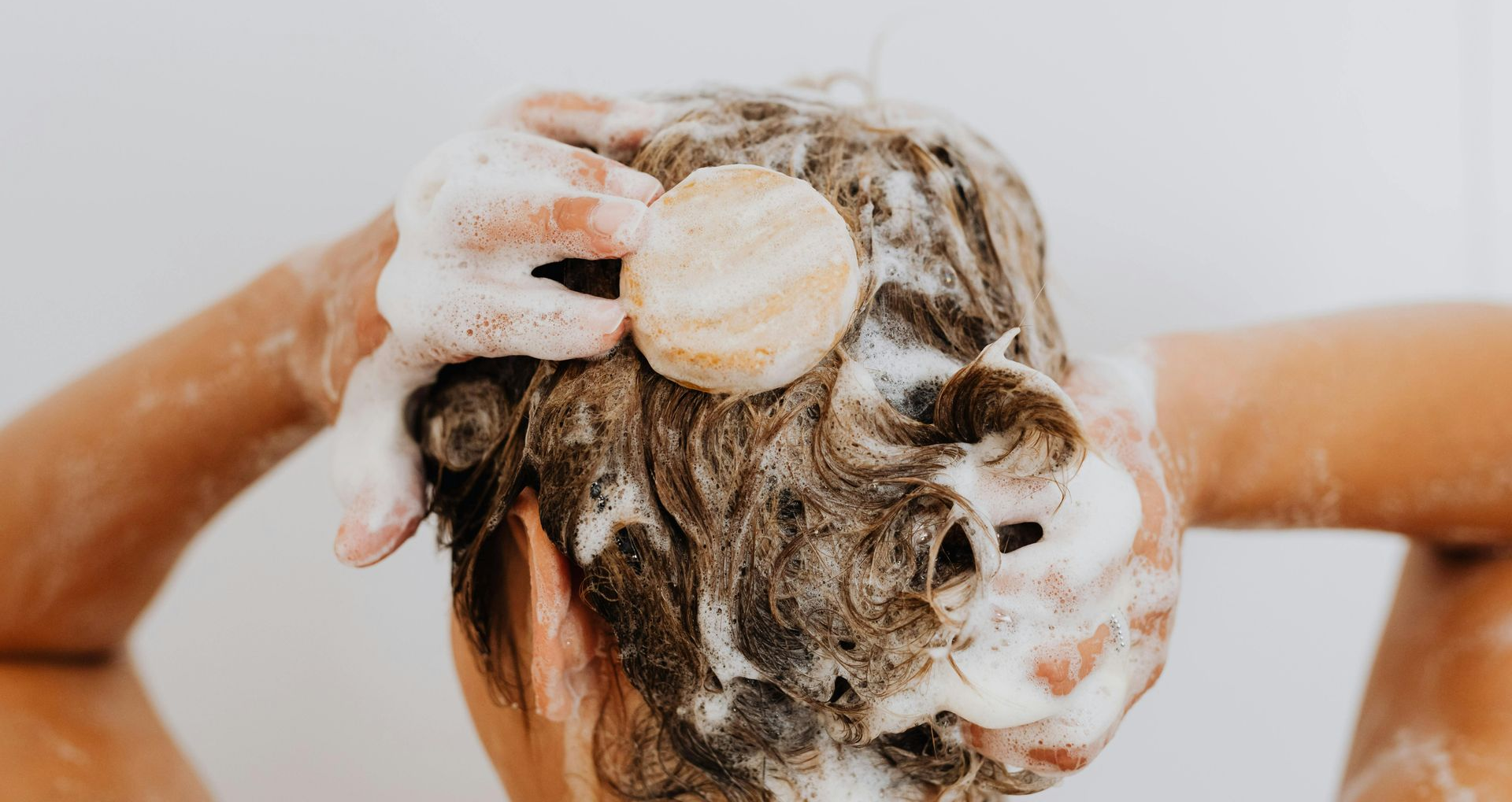


Person washing hair with a round shampoo bar, lathering foam, against a white backdrop.

Not sure if your scalp is healthy? Here are some warning signs to watch for:

-Persistent flakes (not all dandruff is dry skin)

-Tightness or itchiness

-Redness or inflammation

-Excess oil or dryness

-Hair that feels limp, weak, or slow to grow


If you’re investing in great hair products but not seeing results, your scalp may be the missing link.


Want to Improve Scalp Health Naturally? Here are some things you can do to build a healthy scalp care routine:

1. Exfoliate Regularly-Gentle scalp exfoliation removes dead skin cells and product buildup, allowing follicles properly.

2. Use Scalp-Focused Products-Look for ingredients like tea tree oil, salicylic acid, niacinamide, aloe vera, or peppermint-known to soothe, balance and stimulate the scalp.

3. Massage for Circulation-Scalp massage increases blood flow to the follicles, supporting stronger, healthier hair growth over time.

4. Avoid over washing-Washing too often can strip the scalp of its natural oils, while not washing enough can cause buildup. Find a balance that suits your hair type.

5. Protect Your scalp-UV protection isn't just for skin-wear hats or use SPF scalp sprays when exposed to strong sun.

Scalp health matters more than ever because modern life places more demands on our bodies, skin, and hair than ever before. By prioritizing scalp care, you’re not just improving how your hair looks-you're investing in how it grows, feels, and lasts.


So remember, you can’t out-condition an unhealthy scalp.
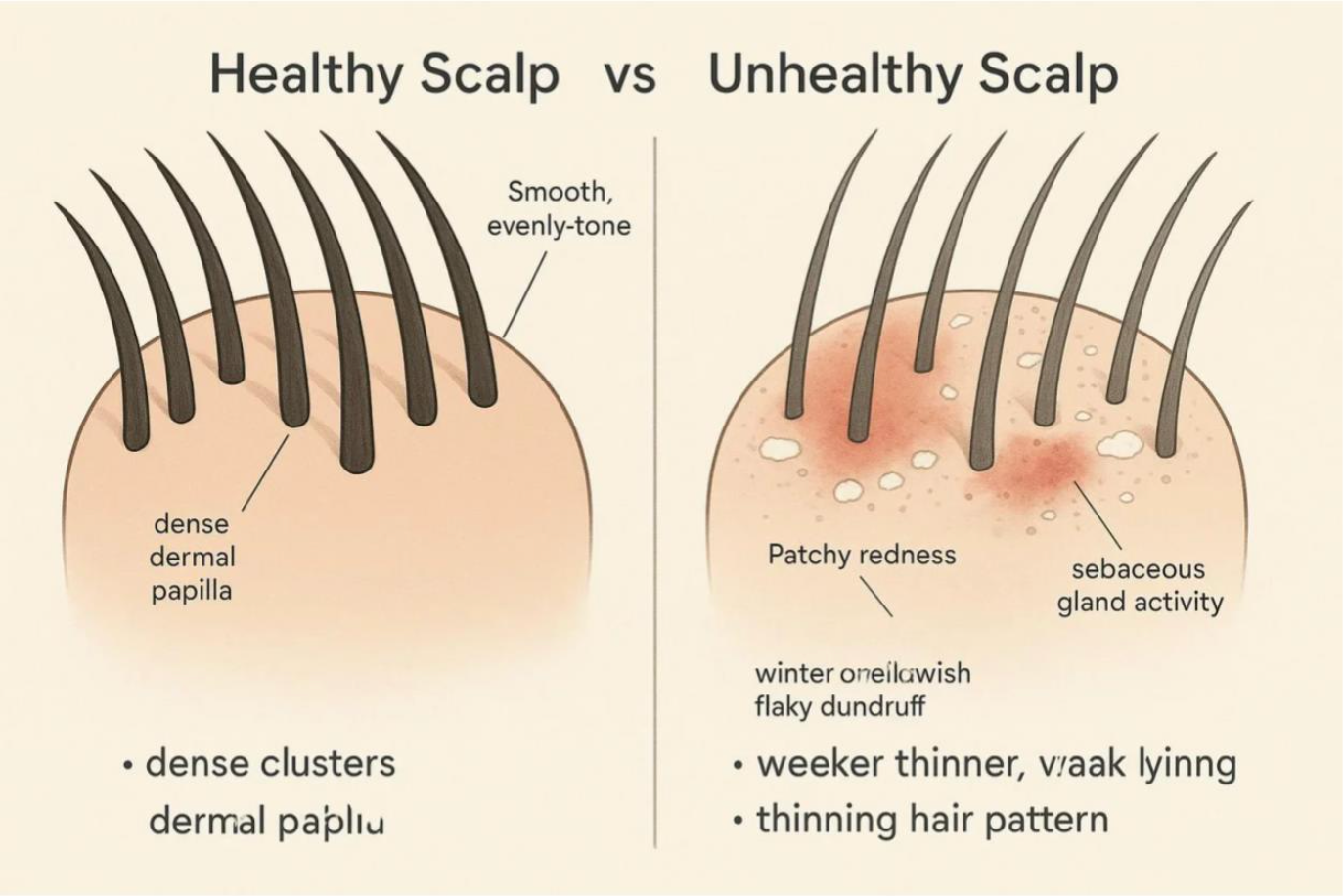

Diagram comparing a healthy and unhealthy scalp. Features dense dermal papilla, smooth tone vs. patchy redness, weaker hair, and dandruff.

If you have questions or need advice about your scalp, book an appointment today!
By Michael Morgan March 27, 2026
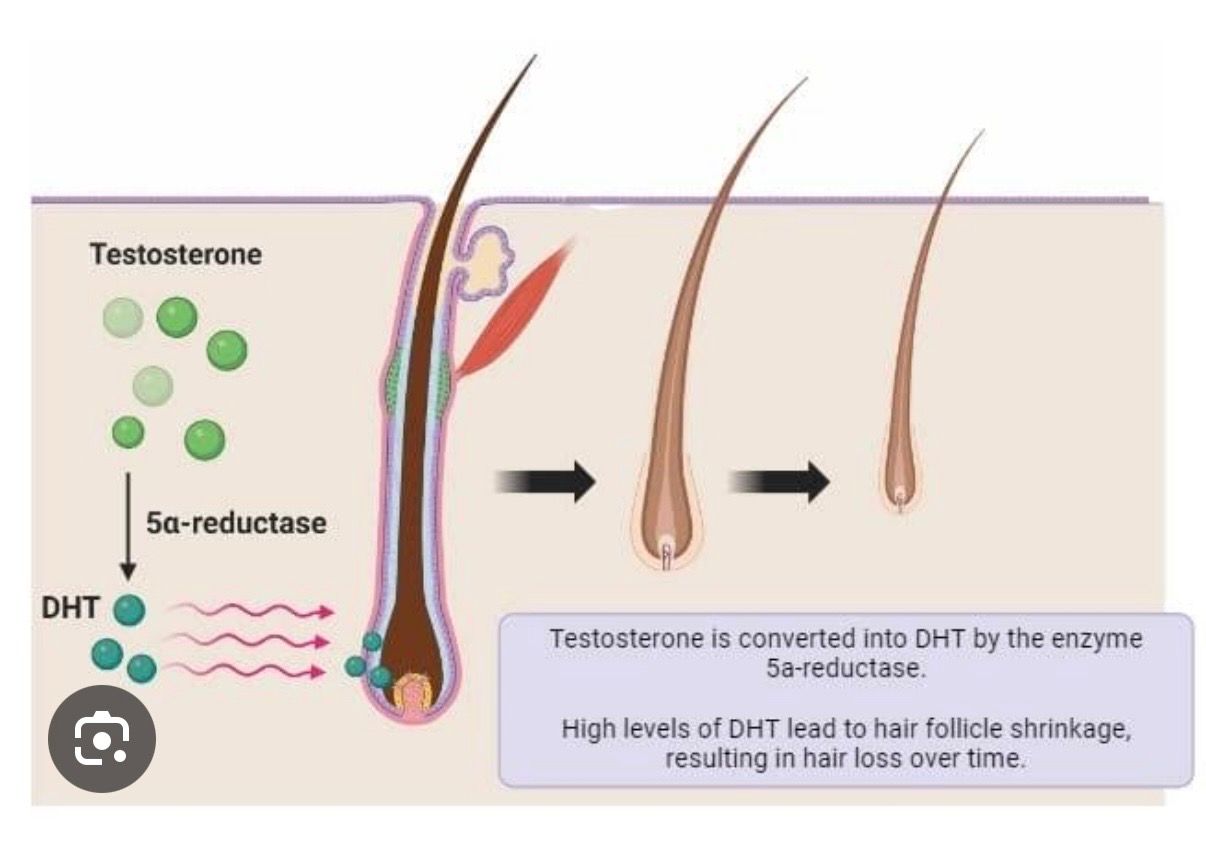
Hair loss is one of the most connom concerns for both men and women. While losing some hair every day is completely normal, excessive hair thinning or bald spots can be frustrating and sometimes alarming. Understanding what causes hair loss and how to prevent it is the first step toward restoring healthier, fuller hair. In this guide, we'll explore the most common causes of hair loss , how to slow or prevent thinning and effective ways to encourage hair regrowth. W hat is Hair Loss? Hair loss (also called aplopecia) occurs when hair falls out faster than it grows back. The average person loses 50-100 hairs per day, but when hair follicles stop producing new strands or growth slows significantly, noticeable thinning can occur. Hair loss may happen gradually over time or suddenly due to illness, stress, or other factors. Common causes of hair loss. Hair loss can be caused by a combination of genetics, lifestyle factors and medical conditions. 1. Genetics (Androgenetic Alopecia)- The most common cause of hair loss is hereditary hair thinning , often called male-pattern or female-pattern baldness. If your parents experienced hair loss you may be more likely to develop it as well. This condition gradually shrinks hair follicles, producing thinner hair until growth eventually stops. 2. Hormonal Changes-Hormonal fluctuations can disrupt the hair growth cycle. Common triggers include: -Pregnancy and postpartum changes -Menopause -Thyroid disorders -Polycystic ovary syndrome (PCOS) These hormonal shifts may cause temporary or long-term hair shedding. 3. Stress and Emotional Trauma-High levels of stress can push hair follicles into a resting phase known as telogen effluvium , causing hair to shed several months after the stressful event. Triggers may include: -Illness or surgery -Rapid weight loss -Emotional trauma -Chronic stress 4. Poor Nutrition-Hair requires essential nutrients to grow. Deficiencies in key vitamins and minerals can contribute to thinning hair. Importand nutrients for hair growth include: -Protien -Iron -Zinc -Vitamin D -Biotin -Omega-3 fatty acids A poor diet or restrictive eating can lead to weakened hair follicles. 5. Medical Conditions-Several health conditions can lead to hair loss, including: -Autoimmune diesases -Thyroid disorders -Scalp infections -Anemia Certain medication, including chemotherapy drugs and some blood pressure medication, may also cause hair thinning. 6. Hair Damage and loss may be caused by frequent heat styling, chemical treatments and tight hairstyles can damage hair follicles over time. Examples include: -Tight ponytails or braids -Excessive heat tools -Chemical relaxers or bleaching -Over-washing or harsh hair products This type of hair loss is called traction alopecia . How to Prevent Hair Loss. Although not all hair loss can be prevented, there are several strategies that may help protect your hair and scalp. Maintain a Balanced Diet. A nutrient-rich diet supports healthy hair growth. Foods that promote stronger hair include: -Eggs -Fatty Fish -Leafy greens -Nuts and seeds -Beans and Legumes -Avacados These foods provide essential vitamins, protein and healthy fats. Reduce Stress. Managing stress can help regulate the hair growth cycle. Helpful stress-reducing practices include: -Exercise -Meditation -Adequate sleep -Deep breathing techniques Chronic stress can disrupt many bodily systems, including hair growth. Be gentle with your hair. Protect your hair from unnecessary damage by: -Limiting heat styling -Avoiding tight hairstyles -Using gentle shampoos -Allowing hair to air dry when possible A healthy scalp environment supports stronger hair follicles. Take Care of your scalp. A clean and nourished scalp promotes better hair growth. Helpful practices include: -Regular scalp massages -Using moisturizing hair products -Keep the scalp free of buildup Scalp massages may also improve circulation to hair follicles. Treatments that may help regrow hair. If hair loss has already started, several treatments may help slow shedding and encourage regrowth. Medications: - Minoxidil: A topical or oral treatment that stimulates the follicles and extends the growth phase. The topical is oily and may make hair hard to style. Studies have shown that the oral treatment is more effective. - Finasteride and Dutasteride: Oral prescription medications that blocks DHT hormone that contributes to hair loss. Consulting with a healthcare professional is important before starting medication. Professional treatments: Dermatologists and hair specialists may recommend procedures such as: -Platelet-rich plasma (PRP) theropy -Microneedling treatments -Hair transplant procedures These options are usually considered when hair loss becomes more advanced. Low-Level Laser Therapy: Laser devices designed for the scalp may help stimulate follicles and increase hair density for some people. these treatments are typically used several times per week. When to see a doctor about hair loss: Occasional shedding is normal, but you should consult a medical professional if you experience: -Sudden or patchy hair loss -Rapid thinning -Hair loss accompanied by itching or pain -Hair loss following illness or medicaion A professional evaluation can help identify underlying causes and recommend appropriate treatment.
Hairdressing tools: scissors, brushes, and a trimmer arranged on a wooden station.
By Michael Morgan December 8, 2025
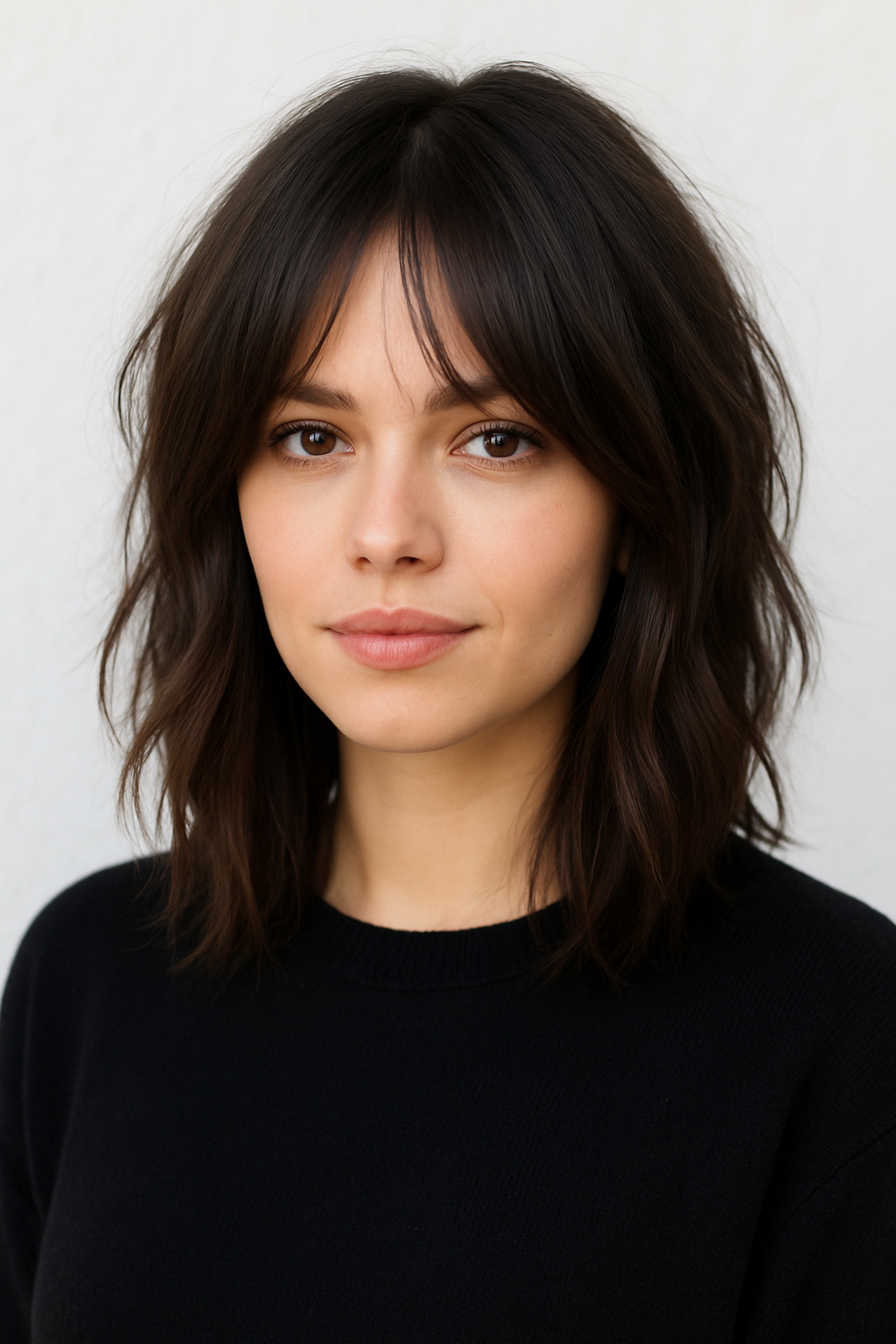
Get a modern, effortlessly chic hairstyle with a trendy modern shag and curtain bangs — ideal for any hair type and face shape. Discover styling tips, volume tricks, and how to refresh your look with minimal maintenance.
By Michael Morgan May 17, 2019
Hair design philosophy of Michael Morgan Hairstyling
By Michael Morgan April 1, 2019
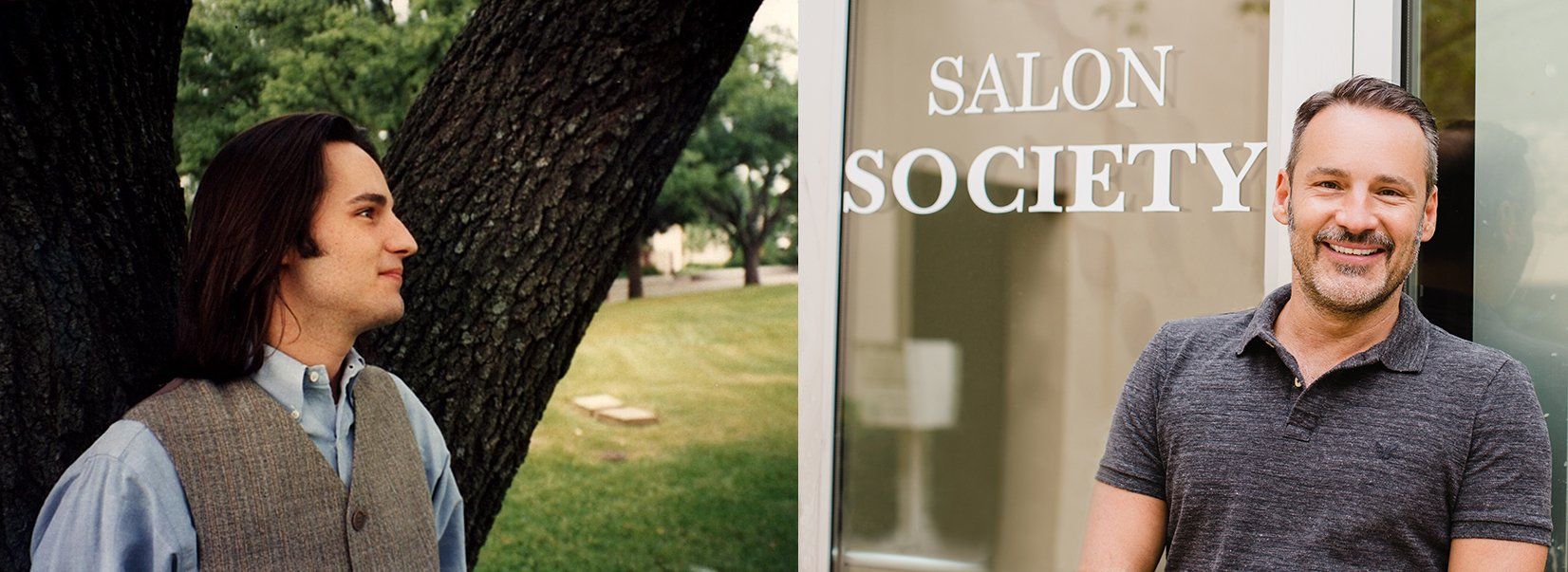
Where it Started How does a hippie child, not caring about hair, never liked getting my hair cut and certainly never touching another person’s hair become a hairstylist? In my early twenties, I was a full-time bill collector in corporate America but desperately wanted to be self-employed. In 1991 I became a massage therapist in hopes of achieving that dream. After years of doing massage part time and being stuck in my corporate job, I began to do chair massage in hair salons. Very quickly I came to realize I liked the fun, high energy environment of salons and how stylists could be independent contractors and were doing well for themselves. I thought, “maybe there was something to this and perhaps I could finally achieve my dream.” In 1994, I finally got to a point where I could quit my corporate job and go to cosmetology school. I worked 3 part time jobs and successfully completed hair school and shortly there after took my state board exam and became licensed hair dresser in a prominent hair salon in Uptown Dallas. I knew I had arrived, while scared to death from a lack of experience, I gained a love for the art of doing hair very quickly. I felt blessed and lucky to have landed a job as an assistant in such an amazing salon with some of the best hairstylists in Dallas! After my tenure as an assistant and then a hairstylist, I gained the skill and confidence to venture out on my own as an independent contractor. I continued my education, taking intensive classes with Vidal Sassoon Academies from Los Angeles to Miami to London, gaining the greatest skills and education I could achieve. After much training and experience, working in salons and doing projects such as fashion shows and photo shoots, I found a love for doing hair in film and television. Working on independent films, music videos and television. I got an opportunity to work on the set of “Walker, Texas Ranger”. After a number of years exploring a career in film and television, I realized my greatest love was building a business and relationships with my clients in a salon. There I could get to know the people that I had the pleasure of making beautiful on a day to day basis. To this day, my love for getting to know and have a relationship with people remains my greatest passion. I now have a clientele that includes some of my original patrons from 24 years ago and now their children and extended family. After all these years, I am still proud to say I love what I do and could not imagine doing anything else! My passion remains making people beautiful day after day. Learning and growing in my field as I go. I’m also committed to giving back to my community, I do volunteer work with cancer patients as well as other charity work. It is the greatest gift to give back to others when I have been given so much in my career. Now I can happily say, this self-proclaimed “Hippie Child” has a great passion for my career as a hairstylist!